Log in
Common area maintenance: a complete guide
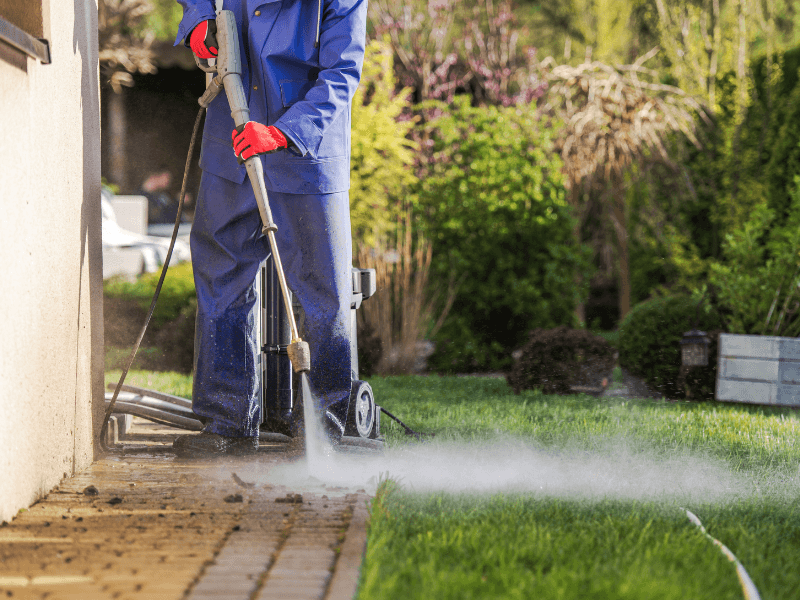
Maintaining the common areas of a condo aims to keep the building running properly, safely and for the long term. The common portions are the parts of the building and the land that do not belong to the private portions. They are identified in the description of the fractions and described in the act constituting the co-ownership in the declaration of co-ownership.
The common areas include entrance halls, hallways, stairways, elevators, roofs, gardens and common rooms. A structured maintenance program for these spaces protects the building’s value and provides a safe environment for all co-owners.
The syndicate’s role in maintaining the common areas
The condo syndicate has the legal obligation to see to the maintenance of the building’s common portions. Article 1039 of the Civil Code of Québec defines this mandate:
“Upon publication of the declaration of co-ownership, the co-owners as a body constitute a legal person whose objects are the preservation of the immovable, the maintenance and administration of the common portions, the protection of the rights appurtenant to the immovable or the co-ownership, and all operations of common interest. It must, in particular, ensure that the work necessary for the preservation and maintenance of the immovable is carried out.”
The syndicate’s board of directors coordinates all maintenance activities for the common areas. Its responsibilities cover six areas:
- Day-to-day management: The syndicate handles routine maintenance of the common areas, including regular upkeep of shared spaces, keeping equipment in good working order and quickly resolving reported problems.
- Maintenance contracts: The syndicate negotiates and signs contracts with service providers (cleaning companies, maintenance firms) to ensure the common areas are maintained regularly.
- Budget and common expenses: The syndicate prepares the condo’s budget, which groups the expenses related to maintaining the common areas, then allocates the expenses among co-owners according to their shares.
- Monitoring work: When maintenance or repair work is needed, the syndicate supervises it, selects the contractors and checks that the work complies with the decisions made at the general meeting.
- Managing claims: When a disaster affects the common areas, the syndicate coordinates repairs, communicates with the insurers and takes the necessary steps to restore the damaged spaces.
- Contingency fund: The syndicate sets up and manages a contingency fund, a financial reserve meant to plan ahead for the cost of future work on the common portions.
Why adopt a methodology for maintaining the common areas?
Maintaining the common areas of a condo relies on a structured methodology that sets priorities, who is responsible and how often work is done. A regular maintenance program preserves the building’s market value: well-maintained common areas make the property more attractive and have a positive influence on property appraisals.
How often work is done plays a key role in residents’ safety. Stairways, elevators and common areas need periodic inspections to keep them working properly and reduce the risk of accidents. A precise maintenance schedule lets the syndicate detect deterioration before it gets worse, which limits unexpected repair costs.
A condo that adopts a rigorous maintenance methodology protects the durability of the building, the safety of its occupants and the property value of each unit, all at once.
Planning the maintenance of the common areas
Identifying cleaning tasks and their frequency
Cleaning the common areas starts with identifying the tasks and how often they need to be done. The first step is to look at each common space (entrance hall, stairways, elevators, outdoor areas) to set priorities. This review covers cleaning floors and surfaces, checking the lighting, sweeping and washing the stairs, maintaining the common areas and managing waste.
Keeping shared spaces clean also requires a regular assessment of needs, whether at general meetings or by consulting residents. A maintenance schedule for equipment and high-traffic areas then makes it possible to organize in-house work or plan to hire specialized service providers.
Task list and frequency
How often maintenance tasks are done can vary depending on the specific characteristics of each condo building. Common elements such as the entrance, common rooms, hallways, parking areas, storage spaces, the elevator, the pool and outdoor areas call for coordinated planning. For example, regular floor cleaning in common areas can be weekly, elevator maintenance monthly, cleaning outdoor areas quarterly, preventive maintenance every six months, a major cleaning once a year, upkeep of outdoor green spaces depending on the season, and checking safety equipment once a year.
Dividing up common area maintenance tasks
Employees and outside service providers
How common area maintenance tasks are divided between employees and outside service providers depends on each condo’s specific needs. The syndicate can hire a salaried janitor or call on a specialized maintenance firm to handle routine tasks. A salaried janitor offers versatility and direct involvement in the building’s day-to-day management, while a maintenance company brings professional expertise and makes it simpler to coordinate services.
Combining the two approaches makes it possible to meet the building’s particular needs based on its size and number of units. It is recommended to consult the co-owners, get quotes from qualified professionals and compare the advantages of each option before entrusting the maintenance of the common areas to a service provider.
Drawing up a statement of requirements
To draw up an effective statement of requirements, the board of directors must carry out a full assessment of maintenance needs, identifying the specific tasks required. It is essential to determine which tasks can be handled in-house by employees or volunteers and which ones require outside service providers. Clearly defining responsibilities based on skills and setting clear, precise protocols prevents any overlap or confusion.
Careful planning of regular tasks, identifying which can be done in-house and which need outside help, is crucial. Hiring specialized service providers for specific tasks should come with detailed quotes and the proper certifications. Coordinating the work, ongoing training for employees, transparent communication between everyone involved, performance monitoring, flexibility when needs change and budget management aligned with the condo’s real needs round out the overall strategy for keeping the condo building’s common areas properly maintained.
By combining these elements, proactive management and effective communication make it possible to get the most out of how tasks are divided between employees and service providers.
The maintenance log for the common areas
What a maintenance log is and why it matters
The condo maintenance log is a centralized record of the history of work, service contracts, inspection reports and warranties related to the common portions. It gives the syndicate and the co-owners a complete picture of the building’s condition and makes it easier to plan future work.
Article 1070.2 of the Civil Code of Québec, introduced by Bill 16 (An Act mainly to provide a framework for building inspections and divided co-ownership), requires condo syndicates to keep an up-to-date maintenance log. The regulation implementing this law, adopted on July 30, 2025, sets out the requirements for the log’s content and updates. The log must, in particular, document the work done on the common portions, the dates of the work, the service providers hired and the costs incurred.
The maintenance log feeds directly into managing the contingency fund by providing the data needed to estimate upcoming work. A carefully kept log lets the syndicate plan ahead for expenses and keep the condo legally compliant.
Consequences of failing to maintain the common areas
Failing to maintain the common areas exposes the condo to significant financial and legal consequences. Damage caused by inadequate maintenance, such as water infiltration, structural deterioration or equipment breakdowns, leads to repair costs far higher than those of a preventive program. Caulking the doors and windows of an underground parking garage illustrates this risk: neglected maintenance can lead to major repairs affecting the entire building.
Not having an up-to-date maintenance log makes this exposure worse. Without a documented history of work, the syndicate will have trouble showing it acted diligently in the event of a dispute or a claim. Legal fees are then added to the cost of repairs. The syndicate can be held liable when damage results from a failure to meet its maintenance obligation, increasing the financial burden on all co-owners.
Impact on the condo’s insurance
Failing to maintain the common areas has a direct effect on the condo’s insurance terms. Insurers assess the building’s condition and history of work before setting premiums and coverage. A building whose common areas show signs of neglect faces higher premiums, coverage exclusions or, in extreme cases, a refusal to renew the policy.
The safety of the premises and the property value of each unit depend on how rigorous the maintenance is. A maintenance program documented in the maintenance log shows the syndicate’s diligence and strengthens the condo’s position when negotiating with insurers. This documentation reduces the risk of disputes after a claim and protects the value of the co-owners’ investment.
Directors’ liability for failures
The directors of a condo syndicate can be held personally liable when a failure to maintain the common areas causes harm. The Civil Code of Québec requires directors to act with prudence and diligence in carrying out their duties. A co-owner who suffers damage resulting from a lack of maintenance can take legal action against the syndicate or, in some cases, against the directors individually.
Keeping the maintenance log carefully and following the maintenance program are the directors’ main means of defence. These documents show that decisions were made in the condo’s interest and in line with its legal obligations. Keeping co-owners informed of the condition of the common areas through regular communication also contributes to transparent management.

Communication and work
Obligation to inform occupants before work begins
Procedure and exceptions
Directors sometimes need to have maintenance work done on the building. This will create noise and dust, which may disrupt everyday life.
For the sake of good communication, directors should give everyone a written notice with the following information:
- The nature of the work.
- The start date of the work.
- The daily work hours.
- The duration of the work and the schedule.
- What to do if there is a problem with a worker or a contractor...
Preserving and maintaining the building’s common portions
Preserving the building’s common portions depends on regularly monitoring the condition of its structural components and mechanical systems. The syndicate plans inspections of the roof, foundations, plumbing, heating system and electrical installations on a schedule suited to the building’s age and type of construction.
Replacing components at the end of their useful life is an integral part of this program. Ventilation systems, exterior cladding and waterproofing membranes need planned work to prevent deterioration that would affect the building’s structure. The contingency fund pays for this replacement work, allowing the syndicate to be preventive rather than reactive in meeting the building’s preservation needs.
Maintaining restricted common portions and private portions
Managing restricted common portions
Restricted common portions are the parts of the building reserved for the exclusive use of one or more co-owners. Article 1064 of the Civil Code of Québec governs this distinction. Balconies, terraces, windows and parking spaces are among the most common examples of restricted common portions.
Routine maintenance of these spaces is generally the responsibility of the co-owner who has exclusive use of them. Cleaning balconies, washing windows and clearing terraces are part of their everyday responsibilities. Major work, however, such as replacing windows or rebuilding the structure of balconies, remains the syndicate’s responsibility, because it affects the integrity of the common portions. The declaration of co-ownership specifies how responsibilities are divided between the syndicate and the co-owners for each type of restricted common portion.
Managing repairs and maintenance
Managing repairs and maintenance of the common areas covers work on heavily used components. Entry doors, stairways, elevators and hallways need regular inspections to keep them working properly and to keep occupants safe. The syndicate sets up an inspection schedule that takes into account normal wear and tear and the regulatory requirements for each piece of equipment.
When a repair is needed, the syndicate hires a qualified service provider and records the work in the maintenance log. Urgent repairs, such as replacing a security door or getting an elevator back in service, are handled first. Documented follow-up of each job lets the syndicate plan future replacements and keep common area maintenance costs under control.
Responsibilities of the syndicate and the co-owners
How responsibility for common area maintenance is divided between the syndicate and the co-owners is set out in the declaration of co-ownership. The syndicate is responsible for work on structural elements and shared systems, while each co-owner is responsible for routine maintenance of the spaces they have the use of.
Decisions about major work are made at the general meeting of co-owners. The syndicate presents the quotes, schedules and financial impact so that occupants can make an informed decision. This shared governance ensures that common area maintenance reflects the priorities of the whole condo and respects the obligations set out in the declaration.
Simplify common area maintenance with a digital log
A digital maintenance log centralizes all the data related to maintaining the common areas: history of work, service contracts, inspection reports and maintenance schedules. It lets the syndicate view, update and share information in real time with the board of directors and service providers.
Regisco offers a digital maintenance log service designed to meet the requirements of Bill 16 and its regulation. The platform structures the follow-up of work, sends automatic reminders and makes it easier to manage the contingency fund. Find out how a digital maintenance log can simplify the management of your condo.
Choose peace of mind by making your condo management easier.
Start your 30-day free trial today. No commitment required, no credit card needed.
Try it for free