Log in
What Is the Self-Insurance Fund in Quebec?
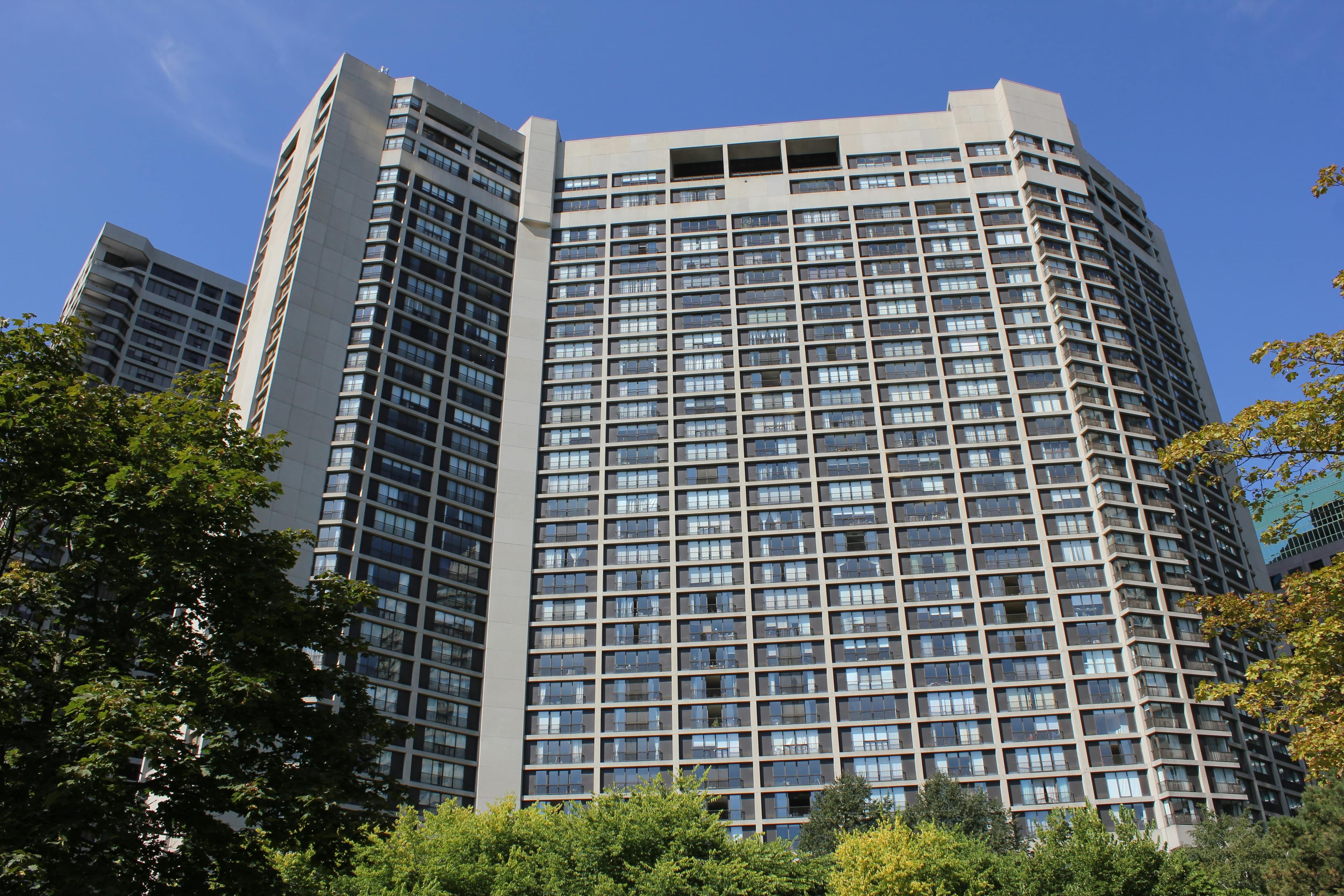
The self-insurance fund protects condo syndicates in Quebec against a very real financial vulnerability: as home insurance deductibles kept climbing, a single loss could force special assessments of several tens of thousands of dollars on co-owners.
This obligation comes from Bill 141, codified in article 1071.1 of the Civil Code of Québec and in force since April 15, 2022; the fund is a liquid financial cushion, separate from the contingency fund.
The following sections explain what the fund is, the legal obligations that govern it, how contributions are calculated and the information required in the syndicate’s certificate.
What is the self-insurance fund?
The self-insurance fund is a liquid financial reserve, available in the short term, built up by the condo syndicate. Its main role: to cover the amount of the deductibles set out in the insurance policies taken out by the syndicate when a loss occurs. The fund also comes into play when the contingency fund or the insurance indemnity isn’t enough to pay for repairing the damaged common portions.
This protection is part of the broader reform of condo law started with the obligations of Bill 16 in Quebec.
The sharp rise in insurance deductibles in recent years has made this cushion indispensable: without it, water damage or a fire could force the board of directors to demand special assessments to absorb a deductible of several tens of thousands of dollars.
The self-insurance fund eliminates this vulnerability by making sure the necessary money is already available. The legislative framework that led to this obligation took shape over several years.
Why is the self-insurance fund mandatory in Quebec?
The obligation to set up a self-insurance fund stems from one observation: condo syndicates in Quebec had no structured protection to absorb the costs of insurance deductibles.
When a loss occurred, the financial responsibility fell on co-owners in the form of special assessments, a risk that neither the insurer nor the syndicate could reduce without a dedicated reserve.
The legislator responded in two stages: a law to create the obligation, then a regulation that came into force in April 2022 to set out how it works.
Bill 141 and the creation of the obligation
Adopted in June 2018, Bill 141 amends the Civil Code of Québec with respect to divided co-ownership insurance. It introduces article 1071.1, which requires every syndicate to set up a self-insurance fund.
The legislative process took four years before producing applicable rules: the regulation CCQ, r. 4.1, which governs what the fund contains and how it is calculated under each insurance contract, only came into force on April 15, 2022.
The Chambre de l’assurance de dommages confirmed that this obligation had come into force and the amount to be set aside for every insurer and syndicate. Since that date, every syndicate must maintain its fund, regardless of the number of units or the year the building was constructed.
Why did rising deductibles make this fund necessary?
Home insurance deductibles in condos have risen sharply in recent years, especially for water damage. In many cases, the high deductible reaches tens of thousands of dollars, an amount the syndicate’s operating fund can’t absorb without jeopardizing the current budget.
Before the self-insurance fund was created, a loss forced the board of directors to impose special assessments to pay the deductible. The cost fell directly on co-owners, sometimes without notice. The fund eliminates this scenario by setting aside the necessary money in advance.
What are the 3 functions of the self-insurance fund?
The self-insurance fund serves three functions set out in article 1071.1 of the Civil Code of Québec. The syndicate can draw on it to pay insurance deductibles, to cover repairs when the indemnity isn’t enough, and to avoid imposing special assessments on co-owners.
These 3 uses protect the common property and the condo’s financial stability.
Covering the syndicate’s insurance deductibles
The fund’s first function is to let the syndicate insure itself against the deductibles set out in its insurance policies. When a loss occurs, paying the deductible is often the most immediate and heaviest expense.
Example: a condo whose coverage includes a $50,000 deductible for water damage has a burst pipe. The self-insurance fund covers this amount directly, without dipping into the operating budget or requiring a special assessment.
Funding repairs when insurance isn’t enough
When the condo contingency fund or the insurance indemnity can’t pay for repairing or replacing the common portions, the self-insurance fund takes over. This happens in several situations:
- the damage is less than the deductible and doesn’t trigger any compensation
- a coverage exclusion in the policy prevents part of the amount claimed from being paid
- the coverage limit has been reached and the damaged property needs further repairs
The fund can then cover the gap without resorting to a special assessment.
Preventing unexpected special assessments
Without a dedicated reserve, the board of directors often has no choice but to impose a special assessment to cover unexpected costs. These calls for funds create tension between co-owners and can hurt the resale value of the units.
The self-insurance fund limits these risks by keeping a funded account at all times. The condo gains budget predictability, and the syndicate keeps the room to manoeuvre it needs to react quickly. What remains is determining how much to contribute to reach the required threshold.
How do you calculate the contribution to the self-insurance fund?
The contribution to the self-insurance fund is calculated using the mechanism set out in section 2 of Regulation CCQ, r. 4.1. The target amount is the highest deductible among the syndicate’s insurance coverages.
The board of directors confirms this calculation during the budget process and determines the amount each co-owner must pay. This obligation comes on top of the other charges resulting from the impact of the new laws on condo fees.
The highest deductible as the basis for the calculation
The starting point for the calculation is the highest deductible in the syndicate’s insurance contracts. The insurer may provide several coverages (fire, water damage, glass breakage, vandalism), each with a different deductible. The highest of these deductibles sets the fund’s target amount.
Two exclusions apply: deductibles for earthquakes and floods are not taken into account.
How do the progressive funding tiers work?
Three funding tiers determine the amount to pay each year, based on the fund’s balance:
- Fund less than or equal to 50% of the deductible: the annual contribution is half the deductible. This is the most expensive tier, which applies when the account is just being built up.
- Fund more than 50% but less than the deductible: the contribution is the difference between the deductible and the current balance. The amount goes down as the fund’s value gets closer to the target.
- Fund equal to or greater than the deductible: no additional contribution is required.
If the fund is used after a loss, the syndicate must replenish it starting with the next budget year, following the same tiers, in force since April 2022. The example below shows how this mechanism works in practice.
Sample calculation for a condo in Quebec
Take a condo in Quebec whose highest deductible, excluding earthquake and flood deductibles, is $75,000. Here is the calculation year by year:
| Year | Opening balance | Annual contribution | Closing balance |
|---|---|---|---|
| 1 | $0 | $37,500 (50% of $75,000) | $37,500 |
| 2 | $37,500 | $37,500 (difference to reach $75,000) | $75,000 |
| 3+ | $75,000 | $0 | $75,000 |
At the end of the second year, the fund reaches the target and the syndicate no longer has to pay a contribution. If a loss occurs and the fund’s balance goes down, the funding cycle starts again following the same tiers. Beyond the calculation, the syndicate must also provide certain mandatory information in the certificate intended for buyers.
What must the syndicate’s certificate include about the self-insurance fund?
When a condo fraction is sold, the syndicate must provide a certificate to the buyer. Since August 14, 2025, this certificate must include information about the self-insurance fund, an obligation that adds to the other obligations of the condo syndicate regarding transparency.
At a minimum, the certificate must include:
- the current amount of the self-insurance fund
- the highest deductible among the building’s insurance contracts
- whether the fund complies with the legal obligation
This information lets any buyer know whether the condo is adequately protected before committing. For the syndicate, it’s also a governance responsibility: an incomplete certificate could jeopardize the transaction and expose the directors to legal action.
Regisco provides a free tool to generate the certificate on the condition of the co-ownership, including the required information about the self-insurance fund. Generate my certificate for free →
It’s recommended to review the building’s insurance documents at every renewal to keep the certificate up to date. This rigour contributes to the condo’s sound finances and makes the syndicate’s day-to-day management simpler.
Simplify your condo’s financial management with Regisco
The self-insurance fund is just one of the many financial obligations that condo syndicates in Quebec have to meet. Between the contingency fund, planning work and complying with Bill 16, keeping track can quickly become complicated.
Regisco centralizes the financial management of your condo building. The platform offers services tailored to syndicates’ needs:
- tracking of the contingency fund and the self-insurance fund
- budget planning and projection of upcoming work
- digital maintenance log that meets legal requirements
Get a clear picture of your condo’s financial health. Try Regisco for free for 30 days, with no commitment.
Frequently asked questions about the condo self-insurance fund
Is the self-insurance fund mandatory for every condo?
Yes. Since April 15, 2022, every divided co-ownership in Quebec must have set up a self-insurance fund, regardless of its size. This obligation comes from Bill 141 and applies without exception.
How much do you need to contribute to the self-insurance fund each year?
The annual contribution is determined by the highest deductible among the syndicate’s insurance contracts. The amount to pay depends on the fund’s current balance compared with that deductible, and the cost drops to zero once the deductible amount is reached.
Is a separate bank account required for the self-insurance fund?
The law requires separate accounting for the self-insurance fund, but doesn’t require opening a separate bank account. A separate account is still recommended to make tracking easier and ensure transparency with co-owners.
What does a syndicate risk if it hasn’t set up its self-insurance fund?
The syndicate is in legal default and, in the event of a loss, the deductible costs must be absorbed by co-owners in the form of a special assessment. Directors may also incur civil liability if the lack of a fund causes financial harm.
Can the self-insurance fund pay for maintenance work?
No. The self-insurance fund is strictly reserved for paying deductibles and for repairing or replacing common portions after a loss. Routine maintenance work and planned renovations fall under the contingency fund, a separate fund that meets different obligations.
Choose peace of mind by making your condo management easier.
Start your 30-day free trial today. No commitment required, no credit card needed.
Try it for free