Log in
Mandatory condo inspections in Quebec: a complete guide for syndicates
Managing a condo in Quebec involves several mandatory inspections required by regulation, as well as essential checks to ensure the safety of occupants, legal compliance and the syndicate’s financial stability.
Many directors discover these obligations gradually, sometimes after a disaster or an alarming engineer’s report.
This guide clearly explains:
- Which inspections are mandatory
- How often they must be carried out
- Which professionals must be involved
- What the risks of non-compliance are
- How these inspections fit with Bill 16, the maintenance log and the contingency fund
Pre-acceptance inspection of the common portions
The pre-acceptance inspection takes place during the transition between the developer and the syndicate, usually after the transition general meeting.
It officially marks the acceptance of the common portions and triggers several legal warranties.
Why this inspection is decisive
If certain defects are not reported at the time of acceptance, the syndicate could lose its recourse against the contractor.
It is a key moment that shapes the future management of the building.
Steps to follow
- The contractor sends a notice of completion of the work.
- The syndicate promptly hires a professional (architect, engineer or technologist).
- The professional produces a written report specifying:
- The date of acceptance
- The work to be corrected
- The work to be completed
- Any disagreement must be documented.
⚠️ If the syndicate is slow to act, the presumption of acceptance could apply.
Link with Bill 16
The deficiencies identified during the pre-acceptance inspection affect:
- The maintenance log
- Repair planning
- Contingency fund projections
Bill 141 – Insurance and reconstruction value
Since April 15, 2021, Bill 141 has required syndicates to insure the building for its full reconstruction value (new).
What this means in practice
The municipal or market value does not match the actual cost of rebuilding the building.
The reconstruction value includes:
- Materials and labour
- Taxes
- Debris removal costs
- Professional fees
- Upgrading to current codes
The syndicate’s obligations
- Hire a chartered appraiser (OEAQ)
- Send the report to the insurer
- Update the appraisal every 5 years
What insurers may ask for
- A copy of the up-to-date appraisal report
- Confirmation that the insured value matches the report
- Proof that the appraisal was carried out by a qualified professional
In the event of underinsurance:
- The indemnity may be reduced
- A special assessment may be needed
- The proportional rule may apply
Link with asset management
The reconstruction value is a strategic figure that influences:
- Financial planning
- Risk analysis
- Budget decisions
Bill 122 – Facade inspection
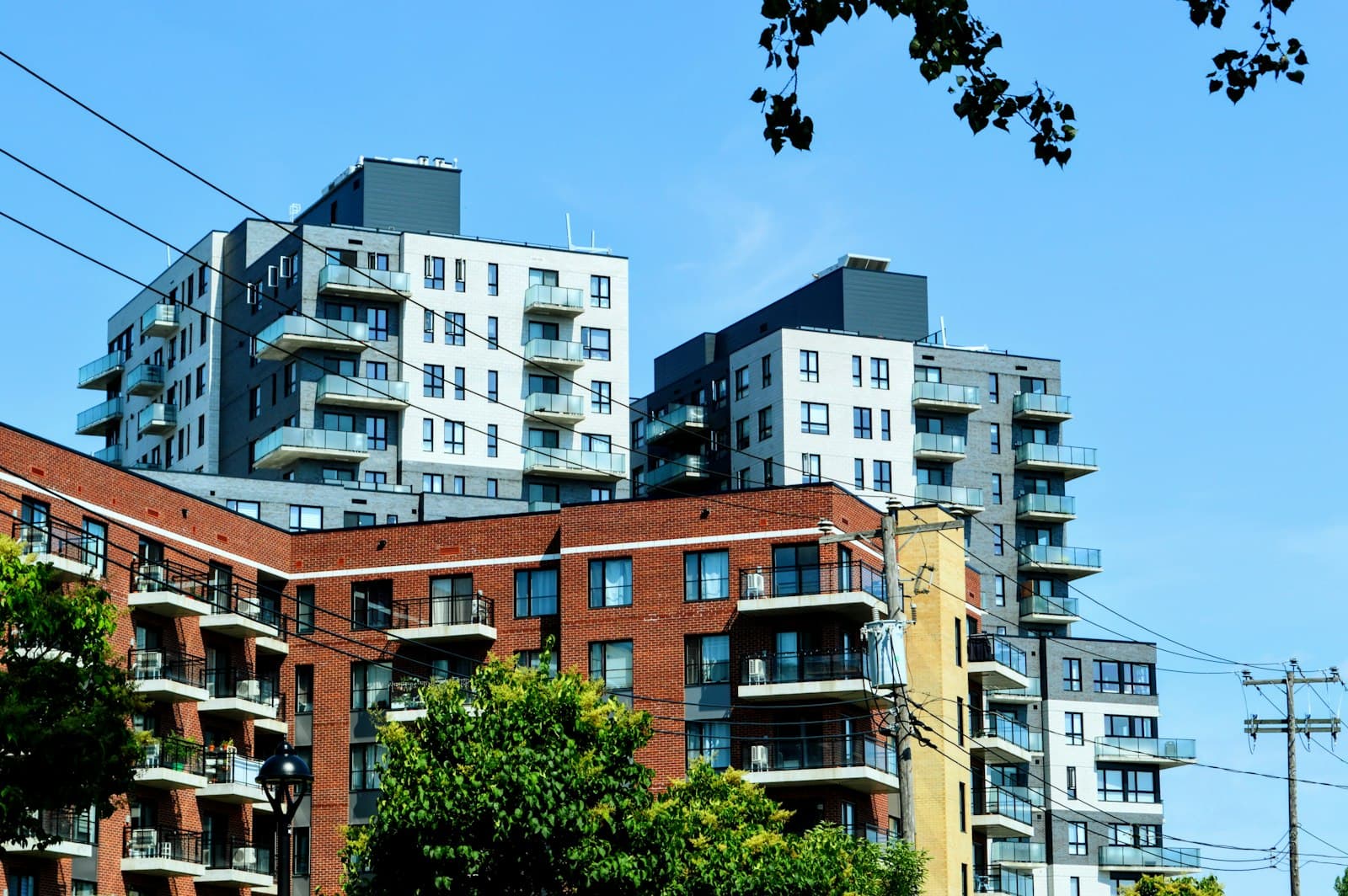
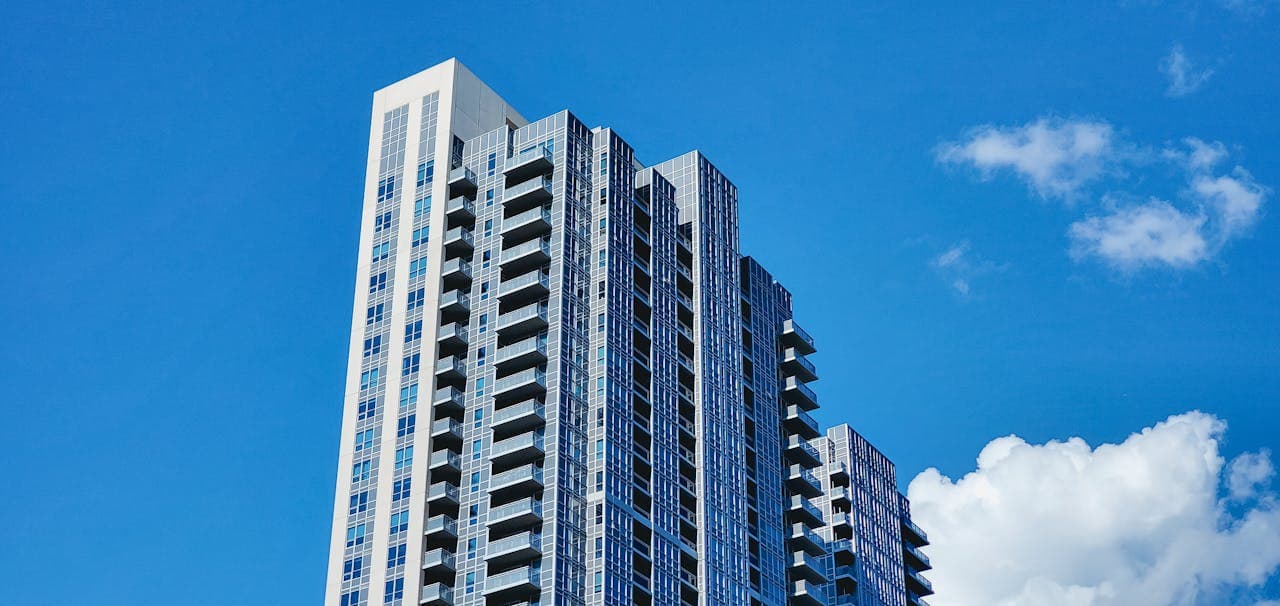
Buildings with 5 or more storeys above ground must have their facades inspected by an engineer.
Frequency
- First inspection: no later than 10 years after construction
- After that: every 5 years
Objective
- Identify unsafe conditions
- Assess balconies, masonry, anchors and concrete
- Prevent materials from falling
Link with the contingency fund
The recommended work must be:
- Budgeted
- Planned
- Included in the financial projections
Bill 122 – Inspection of parking garages and traffic-bearing slabs
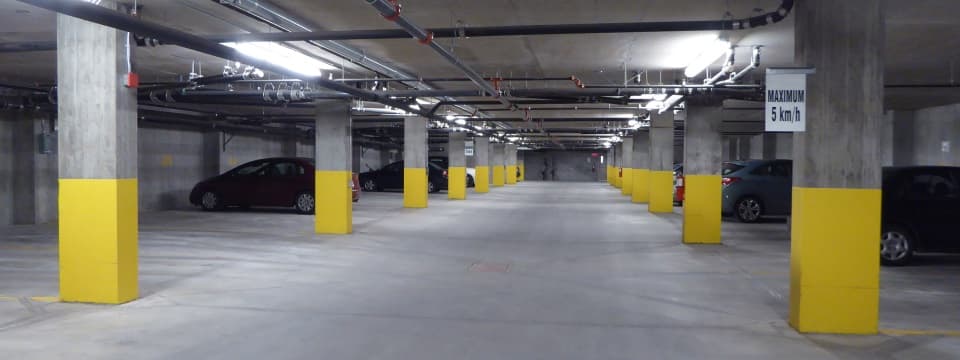
The regulations require the inspection of multi-level parking garages and structures with a traffic-bearing slab.
It is not just a question of the number of visible storeys.
A building may be covered if it has:
- An underground parking garage
- A parking slab above an occupied space
- A structural slab exposed to the weather
- A traffic-bearing slab exposed to de-icing salts
Why this inspection is essential
Parking slabs are vulnerable to:
- Water infiltration
- Corrosion of the reinforcing steel
- Freeze-thaw cycles
- De-icing salts
Advanced deterioration can lead to:
- Concrete spalling
- Loss of structural capacity
- Costly major work
What the engineer assesses
- Condition of the slabs
- Waterproofing membrane
- Structural cracks
- Corrosion
- Drainage
- Joints
Direct link with Bill 16
Parking garages and traffic-bearing slabs are often among the most expensive interventions in a building.
The report’s recommendations must be included:
✔ In the maintenance log
✔ In the multi-year planning
✔ In the contingency fund projections
Without planning, a localized repair can turn into an unexpected complete rebuild.
Bill 16 – Contingency fund study
Bill 16 requires a contingency fund study to be carried out by an expert.
Objective
Determine the contributions needed to fund:
- Major repairs
- Significant replacements
- Foreseeable interventions
Why it is strategic
Without a rigorous study:
- Contributions are arbitrary
- Work is poorly planned
- Special assessments become frequent
The study is based on:
- The inspection of the components
- The analysis of their useful life
- Structured financial projections
Recurring technical inspections
The syndicate must also ensure the proper operation of:
- The fire alarm system
- Sprinklers
- Carbon monoxide detectors
- The generator
- The fire pump
- Mechanical systems
These checks are often required by insurers and applicable standards.
An integrated approach: inspection + log + contingency fund
Inspections should not be managed in isolation.
Modern real estate asset management brings together:
✔ Regulatory obligations
✔ Technical planning
✔ Financial planning
✔ Centralized documentation
✔ Automated reminders
That is the very spirit of Bill 16: to structure and professionalize condo management.
Need help?
At Regisco, we help condo syndicates with:
- The contingency fund study
- Setting up the maintenance log
- Integrating mandatory inspections
- Long-term financial planning
Choose peace of mind by making your condo management easier.
Start your 30-day free trial today. No commitment required, no credit card needed.
Try it for free